3D Printer Maintenance Tips for Longevity
This guide covers essential maintenance tips that can significantly extend the lifespan of your 3D printer, ensuring optimal performance and reducing the need for costly repairs. Regular upkeep not only enhances print quality but also prevents common issues that can arise from neglecting maintenance. By incorporating the right practices and using quality products, you can keep your 3D printer running smoothly for years to come.
This guide is tailored for both novice and experienced 3D printer users who want to learn how to maintain their machines effectively. You'll discover key features to look for in maintenance products and tools, with price ranges typically from budget-friendly to premium options. Understanding these aspects will help you make informed decisions, ensuring that your 3D printing experience remains enjoyable and hassle-free.
Regularly Inspect Components
Make it a habit to inspect your printer's components, such as belts, nozzles, and bearings, for wear and tear. This proactive approach can help you identify potential issues before they escalate, ensuring consistent print quality.
People Also Look For:
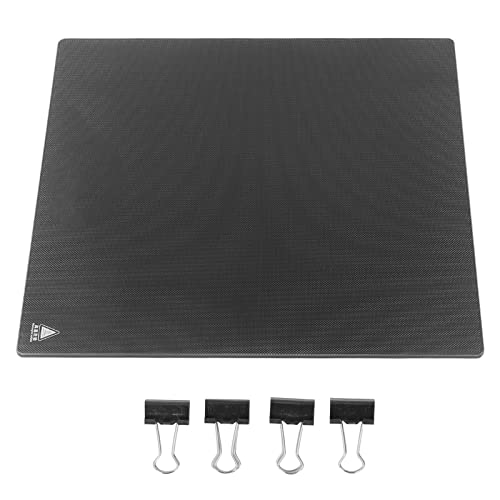
- 3D Printer Glass Bed, 220x240x4mm Borosilicate Glass Plate, 3D Printer Glass Print Platform for Anycubic MEGA S, 3D Printer Borosi...
- Cocoarm 3D Printer Glass Bed, Improved Adhesion, Enhanced Printing Effects, Microstructured Glass Bed Platform for Baambu and Othe...
- SUNLU PLA Matte 3D Printer Filament 4KG, PLA Filament Bundle 1.75mm, Neatly Wound Filament PLA with Matte Finish, 1kg Spool (2.2lb...
- 3D Printer Glass Bed 235x235x4mm 3D Printing Accessory High Temperature Glass Bed Tempered Heated Plate Platform Suitable for Ende...
- PLAFOPE 4pcs 3d Printer Glass Bed Platform Clamps Stainless Steel Heated Bed Fixing Clips Compatible with Aluminum Base for Secure...
Keep the Build Surface Clean
Regularly clean the build plate to remove any residue from previous prints. A clean surface promotes better adhesion and reduces the chances of failed prints, ultimately saving time and materials.
Store Filament Properly
Store your filament in a dry, temperature-controlled environment. Proper storage prevents moisture absorption, which can lead to print defects and clogs, ensuring that your materials remain in optimal condition.
Use Quality Lubricants
Apply appropriate lubricants to moving parts like rails and lead screws. This reduces friction and wear, helping to maintain smooth operation and accuracy during printing.
Invest in Maintenance Tools
Having the right tools, such as scrapers, wrenches, and cleaning kits, can make maintenance tasks easier and more efficient. Investing in quality tools can save you time and enhance your printer's longevity.
Schedule Regular Maintenance
Establish a regular maintenance schedule that includes cleaning, inspections, and part replacements. Consistency in maintenance practices will help you catch issues early and keep your printer in top shape.