Essential Features to Consider When Buying a 3D Printer
In recent years, 3D printing technology has transformed from a niche hobbyist activity to a widely accessible solution for businesses and creatives alike. As of 2026, there is a vast array of 3D printers available on the market, making it essential to know what to look for when considering a purchase. This guide will help you navigate the various features and specifications that will influence your decision, ensuring you find the right 3D printer for your needs.
Printing Technology
The first step in selecting a 3D printer is understanding the different printing technologies available. The two most common are Fused Deposition Modelling (FDM) and Stereolithography (SLA). FDM printers work by extruding melted plastic filament to build layers, making them ideal for beginners due to their ease of use and lower cost of materials. On the other hand, SLA printers utilise a light source to cure resin, resulting in higher precision and detail. You should consider what type of projects you intend to create, as this will heavily dictate the technology that suits you best.
Build Volume
Build volume refers to the maximum dimensions of the object that the printer can create. If you plan on printing larger items, look for printers with a generous build area. Typical FDM printers offer build volumes ranging from 20 x 20 x 20 cm to 30 x 30 x 30 cm, while SLA printers often have smaller build volumes, usually around 12 x 12 x 15 cm. Always assess the size requirements of your projects before making a decision, as upgrading to a larger printer later can be both costly and inconvenient.
People Also Look For:
- DERUC 3D Printer Bed Adhesive, Glue Stick for 3D Printer Hot Bed, Quick Drying PVP Solid Adhesive 36g PLA ABS PETG Washable and Ea...
- 3D Printer Glue Sticks, 4 Pieces Solid Adhesive for Hot Bed Print Filament PLA Glass ABS PETG CPE by ZITSMS
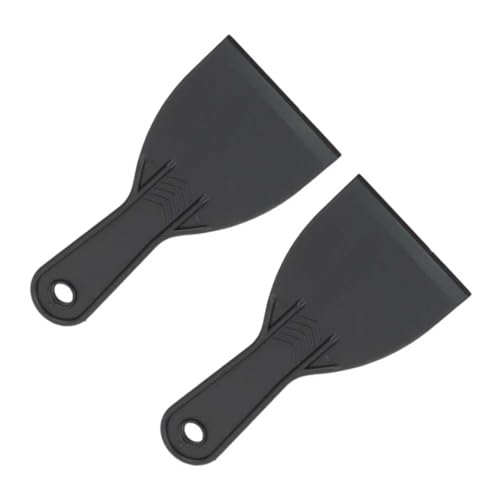
- 2pcs Professional 3D Printer Scraper Set, Stainless Steel Paint Straight & Curved Head Scraping Tools for Model Removal Durable 3D...
- Creality Upgraded 3D Printer Platform Tempered Glass Bed with 4 Binder Clips, Removal Tool, 235x235x4mm, Ender 3, Ender 3Pro/Ender...
- ELEGOO Silk PLA Filament Bundle 1.75mm, Dual and Triple Colours Shiny 3D Printer Filaments Dimensional Accuracy +/- 0.05mm, 4 Pack...
Print Speed and Quality
Print speed is another critical factor to consider. While faster printers can produce items more quickly, they may sacrifice quality. Typically measured in millimetres per second, look for a balance between speed and resolution. Most consumer-grade FDM printers can print at speeds of 50 to 100 mm/s. However, if you are focused on achieving high detail, aim for printers that offer adjustable settings for varying speeds and resolutions.
Material Compatibility
The materials that a 3D printer can use will greatly define its versatility. FDM printers often work with a variety of thermoplastics, including PLA, ABS, PETG, and TPU. If you need to print with flexible or high-temperature materials, ensure that the printer is compatible. SLA printers primarily use photopolymer resin, which can be more expensive but allows for finer details and a smoother finish. Check the material options available for each printer, as this will impact the types of projects you can undertake.
User Interface and Software
A user-friendly interface is vital, particularly for those new to 3D printing. Many printers now come with touchscreen displays that simplify the setup and navigation process. Additionally, consider the bundled software provided with the printer. Some printers come with proprietary slicing software, while others allow compatibility with third-party software options like Cura or PrusaSlicer. A good software interface can make the design to print process much smoother.
Connectivity Options
Connectivity plays an important role in how you transfer your designs to the printer. Most modern 3D printers offer USB connectivity, but many also support Wi-Fi or Ethernet connections, which can make remote printing easier. Some advanced models even allow for cloud printing, where you can send print jobs from anywhere with internet access. Evaluate how you prefer to manage your files and choose a printer that aligns with your preferred method of connectivity.
Price and Support
Finally, consider your budget. While it may be tempting to choose the cheapest option available, investing in a printer with solid support and warranty options can save you money in the long run. Research customer reviews and support options to ensure you are making an informed decision. Many manufacturers offer online resources, community forums, and dedicated customer service, which can be invaluable when troubleshooting or seeking guidance.